Leo Fried
Kansas City 135 – 140 San Antonio
Kansas City 120 – 155 San Antonio
Quadball Under Extreme Scrutiny Today is an attempt to deeply and more thoroughly analyze player and team performance in a quadball series. For each QUEST, I go play-by-play, analyzing and grading what and how each player did on each play, and then I compile those into grades for the series as a whole.
Standard disclaimer:
QUEST is admittedly a somewhat subjective process — I am assigning play-by-play grades based on my read as to who was responsible for each play going right and wrong. It is also very much a work in progress and I am very open to and would love your feedback — basically any medium is good. Individual players’ grades are just based on these two particular games and are not an indication of players’ general ability or talent level. This is not meant to put down players who didn’t play as well. The purpose of this endeavor is to learn about and better understand our sport and this series.
The full play-by-play chart is here, where I give individual player grades for each play of the series. Feel free to skip this entirely or just read a bit and then move on. Note, that due to wanting to get this article out before this weekend’s games, and the fact that San Antonio clinched the series after two games, I only charted the first two games. Now, for the analysis.
Would it be too cute to start this article in the same way as the one in 2022?
Go for it.
So that number zero guy, huh?
Daniel Williams returns to San Antonio after winning a title elsewhere and absolutely goes off. It is not at all a stretch to say that Kansas City would’ve won the series if Williams hadn’t been there, and I wouldn’t fault you at all for saying it would’ve been a sweep the other way. Williams scored an absurd +34/+16 over the two charted games, beating Josh Johnson’s single-game record of +29 and Max Havlin’s series record of +40. For context, the next highest scorer in this series, Lauren Smith, finished at +16 across the two games. Williams was on another level.
What made him so effective? I think there’s a flashy reason and a less flashy reason.
Flashy reason first!
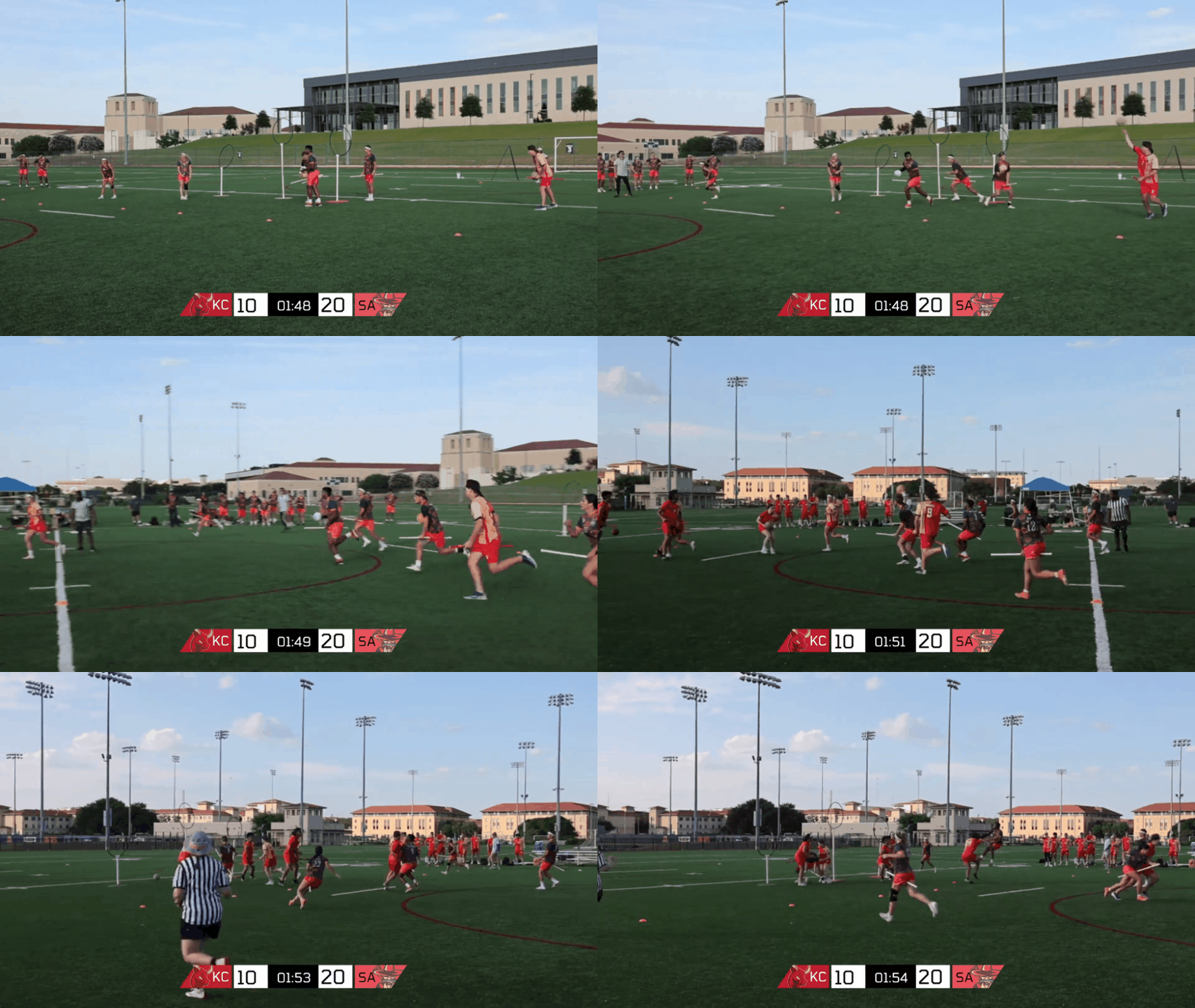
Williams is insanely fast, both with his feet and his mental processing, allowing him to make game-swinging plays seemingly at will. These skills are particularly impactful in transition: here he is single-handedly winning back control and creating a no-dodgeballs fastbreak opportunity.
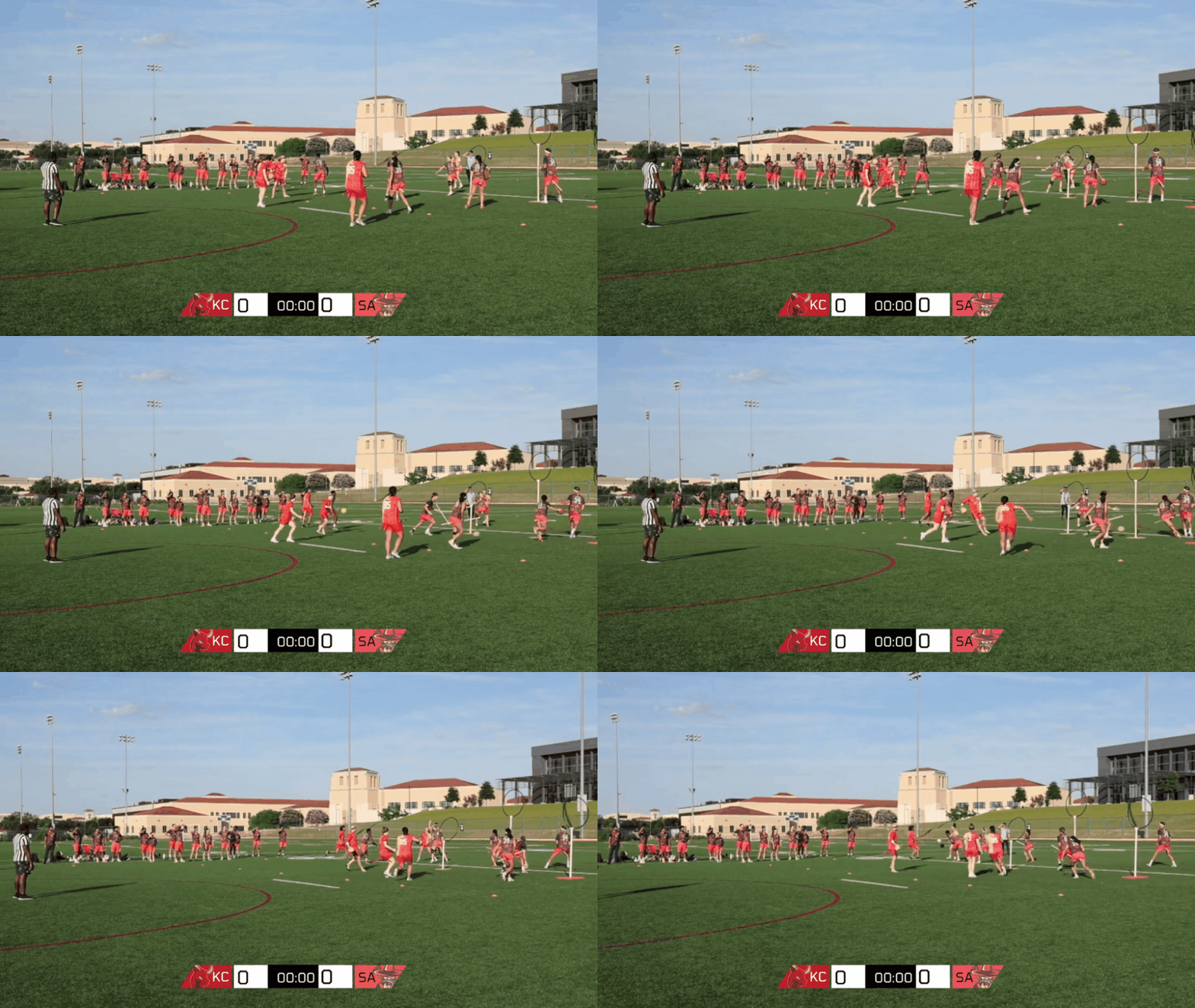
He also shined during SOP: here he gets the Stampede dodgeball on the ground, uses it for a free throw, and then uses the time he knows he’s won for his seeker to go force a turnover in the quadball game.
And these are just the plays caught on camera. Many, many plays had descriptions to the effect of:
Williams (+5) sprints down the field, outrunning both Dewick (-2) and Johnson (-2) to the third dodgeball, and somehow dodges a beat from Dewick (cameras -2), getting the third dodgeball back to San Antonio hoops and the Stampede dodgeball out of play.
The play in question:
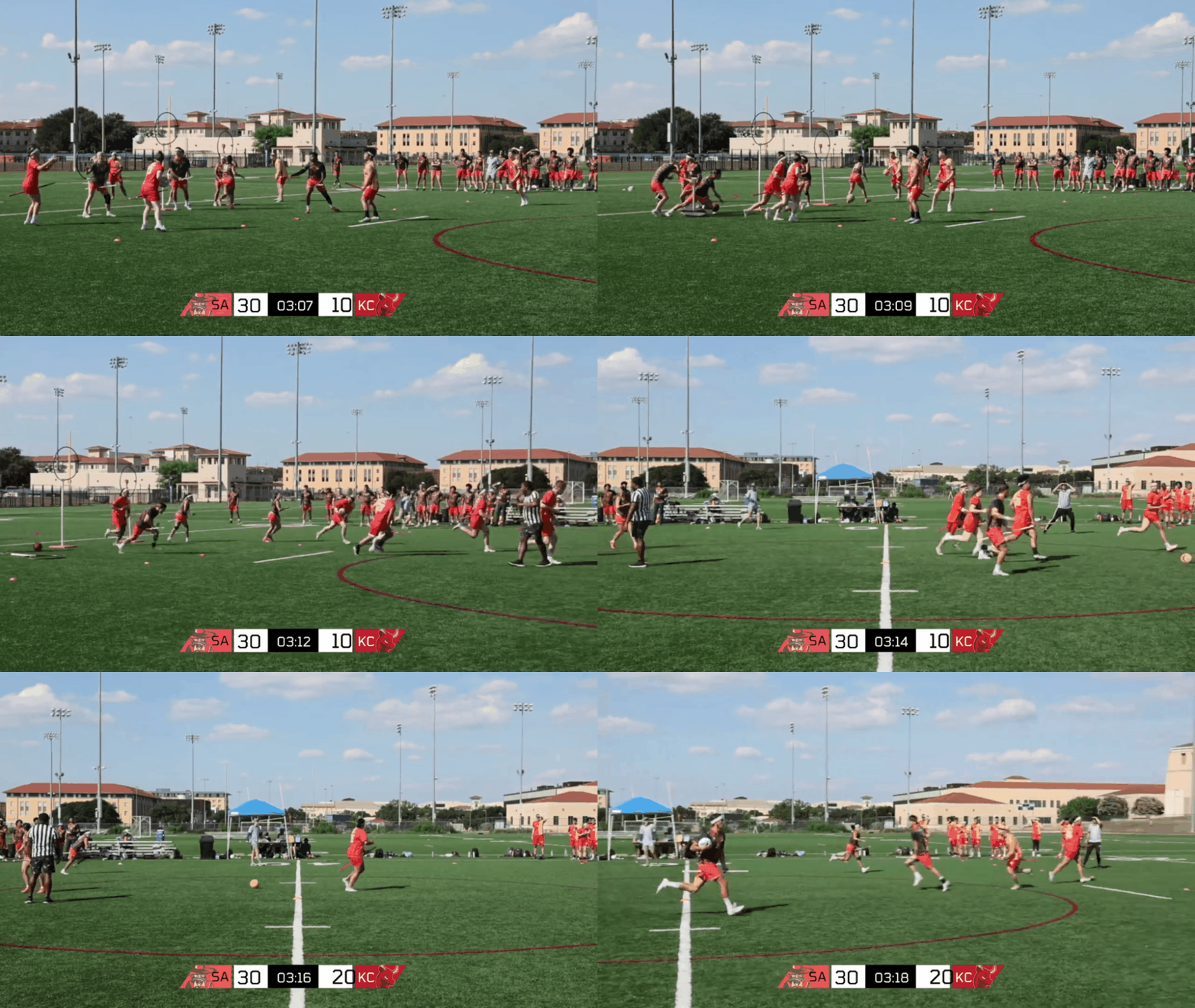
I would’ve loved to see what the interaction on the righthand side of the screen was like, but at least we got a good view of blue scorekeeper’s tent for a bit there.
No! Save the camerawork rant for the end!
Grrr… fine. Chart:
| Player | Game 1 | Game 2 | Total |
|---|---|---|---|
| De La Fuente | -8 | +4 | -4 |
| Markle | -1 | -7 | -8 |
| Sousa | +6 | -4 | +2 |
| Williams | +39 | +16 | +55 |
Recall that a player’s score represents how many points their presence added or subtracted to their team’s score(s) in the series. So while none of De La Fuente, Markle, or Sousa had more than one goal’s impact in either direction across the two games, Williams netted the Soldados five and a half goals over the first two games of the series. The Kansas City beaters were similarly middling, with no beater netting more than a goal over the two games.
| Player | Game 1 | Game 2 | Total |
|---|---|---|---|
| Dearking | 0 | +8 | +8 |
| DeWick | -3 | -5 | -8 |
| Johnson | -11 | -6 | -17 |
| McClannahan | -3 | +11 | +8 |
| Namanny | +6 | -5 | +1 |
| O’Connor | +3 | +1 | +4 |
Overall, the story of the beater game was about whether Daniel Williams was on the field at any given moment. When he was, San Antonio had an edge: otherwise, it was pretty even. It is worth noting though that both teams have a few high-level beaters that were out this week.
And the less flashy reason?
What?
You said something about there being a less flashy reason that Williams outplayed the rest of the beaters.
Oh right. The less flashy reason is that he was willing to throw back to hoops.
It’s not that complicated, but Williams seemed like the only beater in this series that had it figured out. In fact, let’s keep watching the above clip.
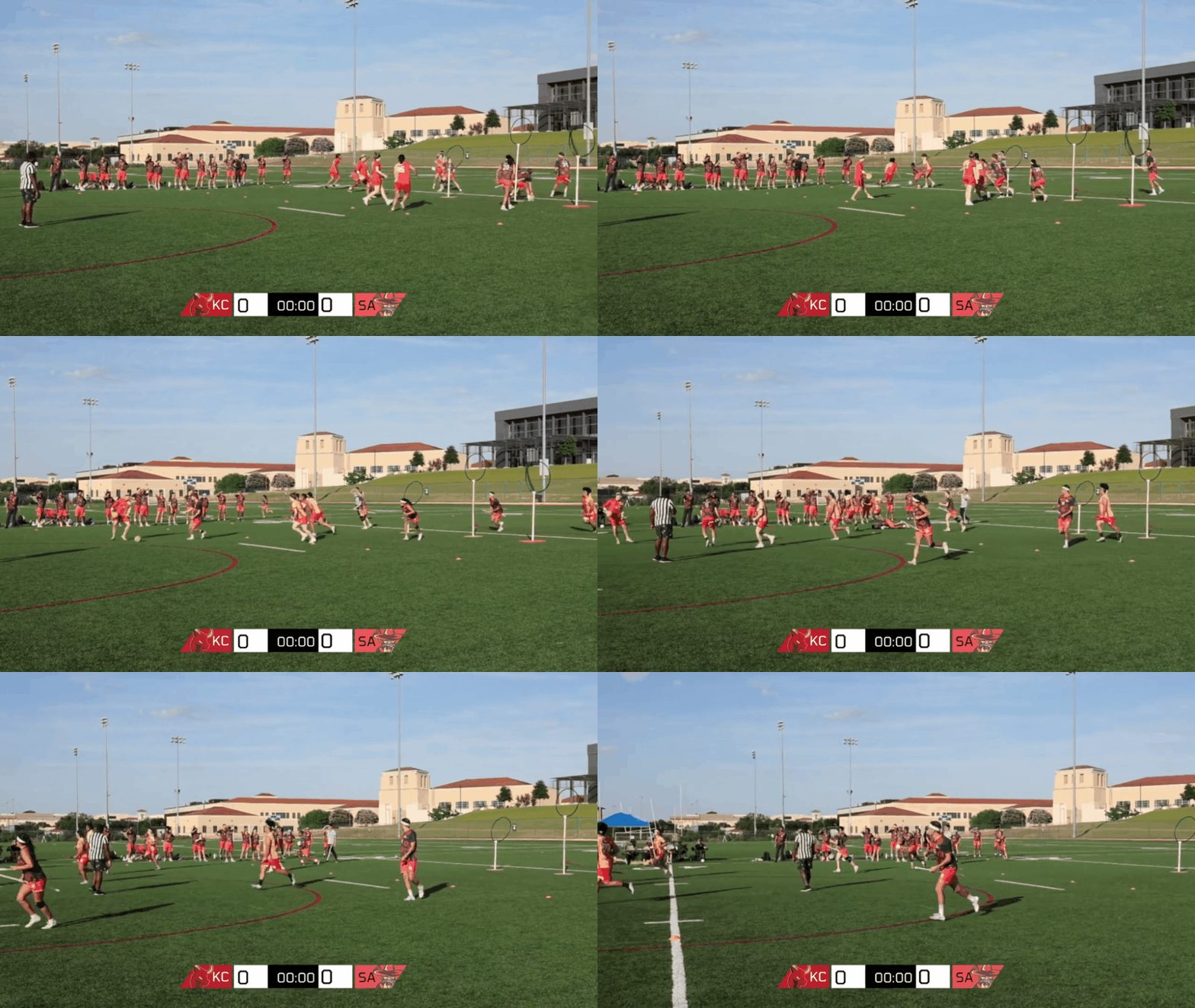
After throwing back and IDing that Sousa will clean up the quadball game, Williams looks to push in transition and throws at Dewick. And Dewick catches the beat, ensuring that the Stampede will be able to get a dodgeball back… except instead of throwing back, or throwing at Williams, he just stands there and watches Williams‘s dodgeball roll, until Williams picks it up and beats him with it (offscreen, cameras -1).
This wasn’t even the most egregious case.
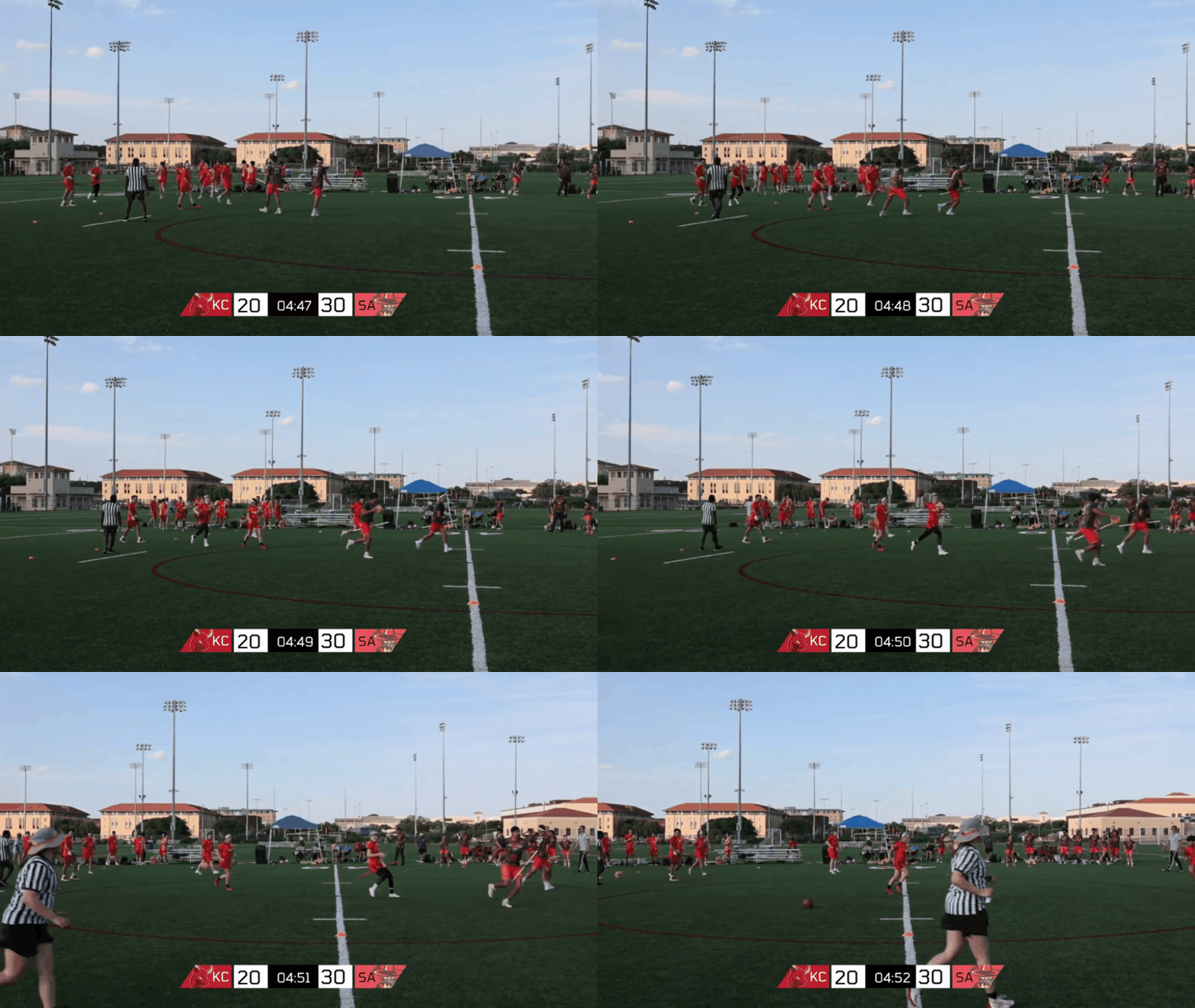
De La Fuente! You have a partner with a dodgeball at your hoops! It doesn’t matter if you beat out Nammany — just send the dodgeball back to hoops and get back on defense. Plays like this were too common for basically every beater not named Williams.
Opposing beaters hate this one simple trick.
Throw back to hoops! You know, the place that you will be going after you get beat! So you can then pick up your dodgeball that you threw back to hoops! Where you now are!
Anyways…
I’ve been hearing things about Lauren Smith.
You’ve been hearing correctly. Smith was highest-grading chaser on the field over the weekend, standing out on both sides of the ball. Her go-to move, the pump fake, was on full display.
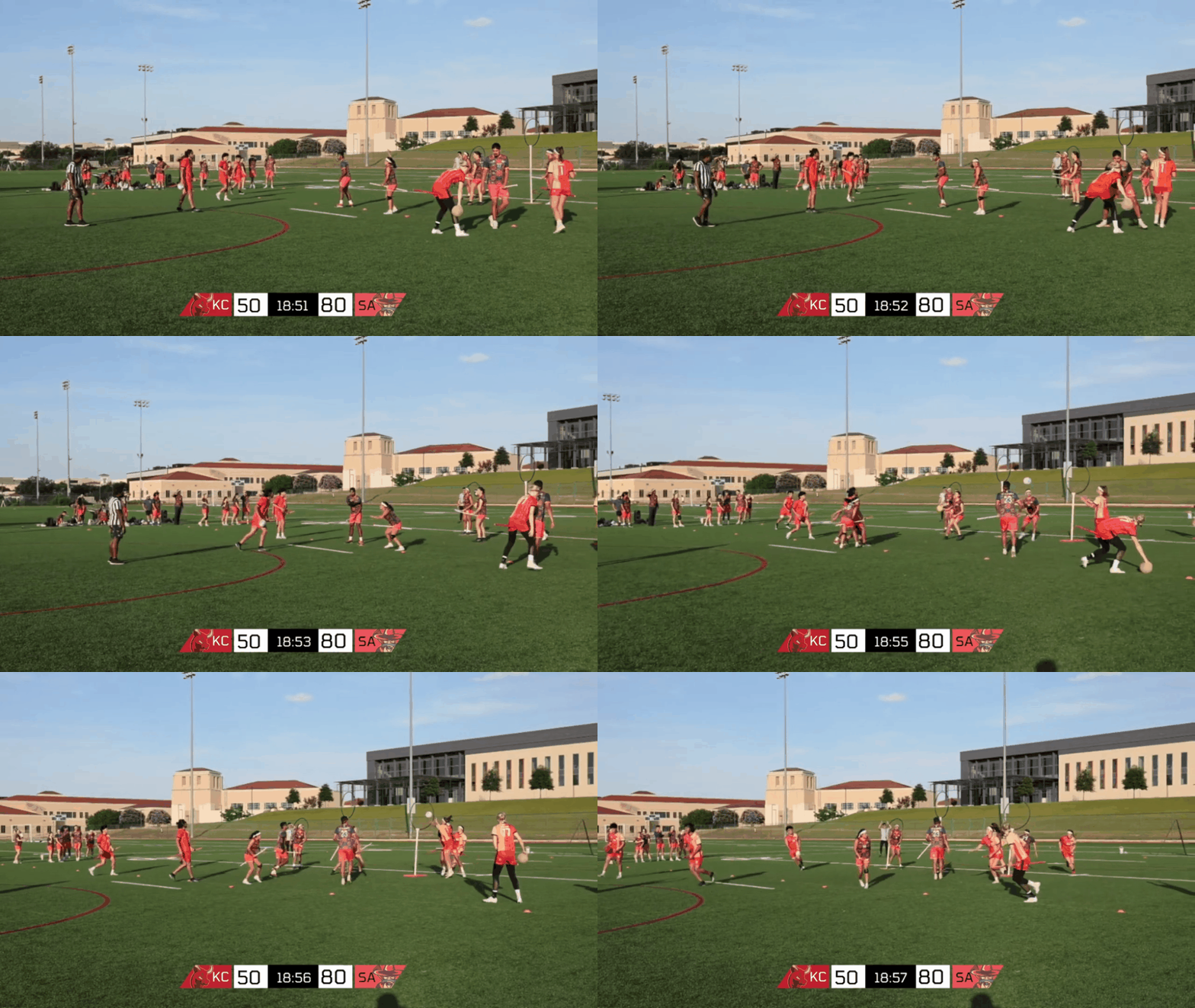
Although she didn’t always need it.
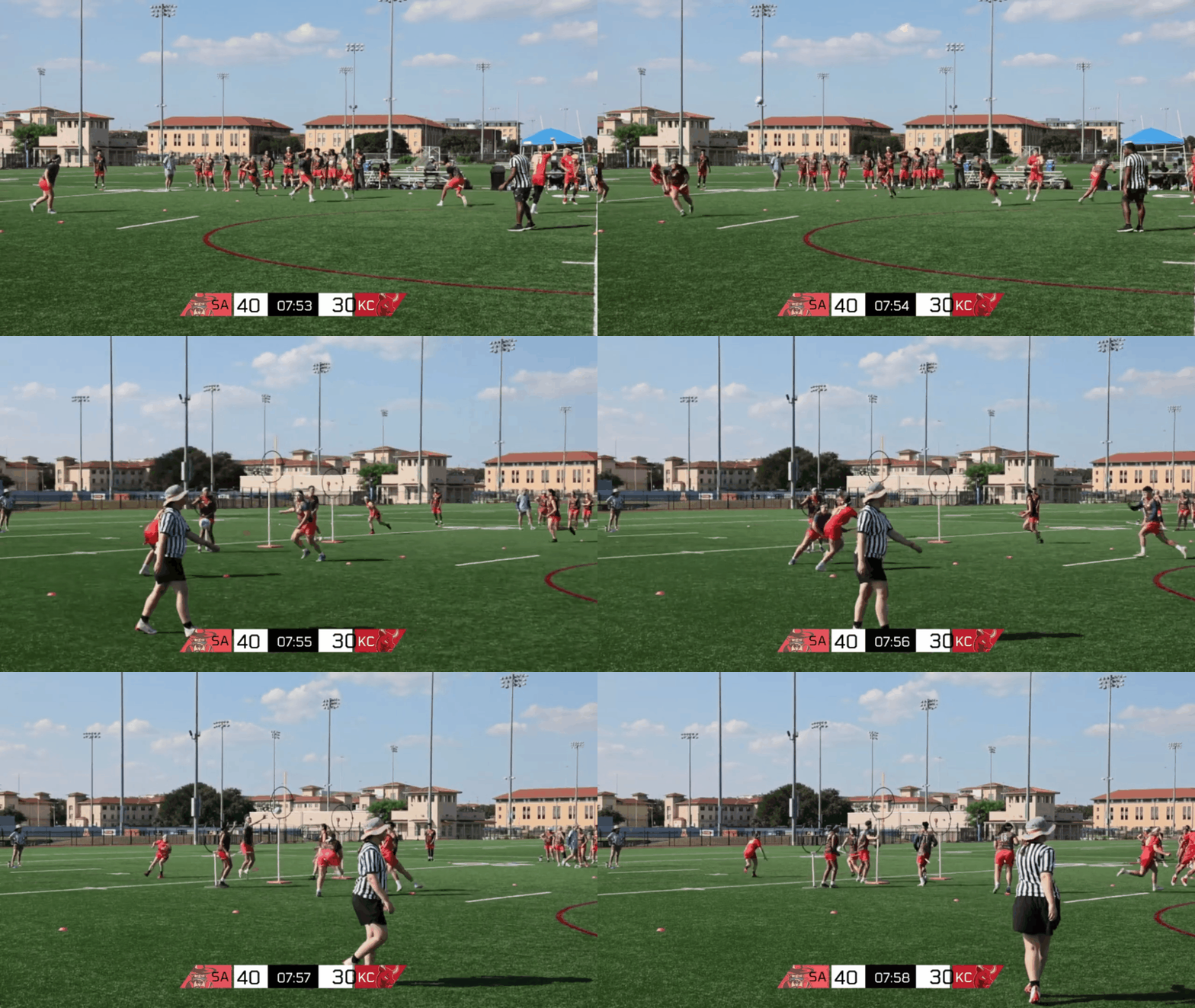
Smith also put in work on defense, including this monster block.
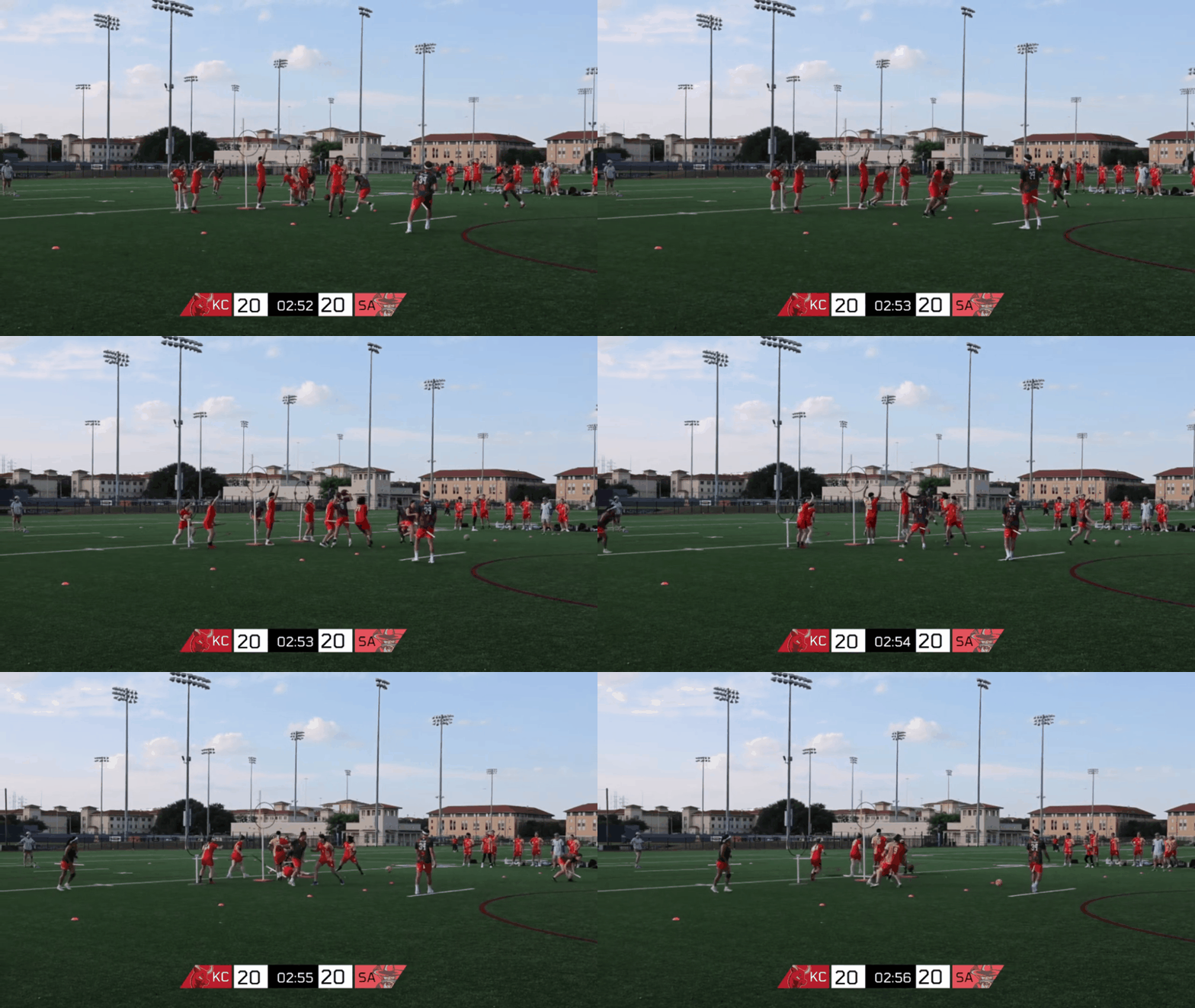
The Stampede offense was all over the place in the series: they definitely don’t feel like a team that has found their identity yet. But plays that put the ball in Smith‘s hands seemed to work more often than plays that did not.
| Player | Game 1 | Game 2 | Total |
|---|---|---|---|
| Smith | +12 | +4 | +16 |
| Duncan | +2 | -7 | -5 |
| Grant | +0 | -2 | -2 |
| Herdade | +0 | +8 | +8 |
| Himmelmann | +2 | -3 | -1 |
| Hopton | +9 | +1 | +10 |
| Mehio | -14 | +17 | +3 |
| Ortiz | +2 | +1 | +3 |
| Reyes | -4 | +1 | -3 |
| Sato | -3 | -4 | -7 |
Ryan Mehio?!
A tale of two games.
Kansas City went 3 for 12(!) in transition in game one, leading, of course, to the second-to-last play of the game. It’s next goal wins, and Johnson and McClannahan successfully create a no-dodgeball transition look (with only one dodgeball between them, no less) for the Stampede chasers. How did it go?
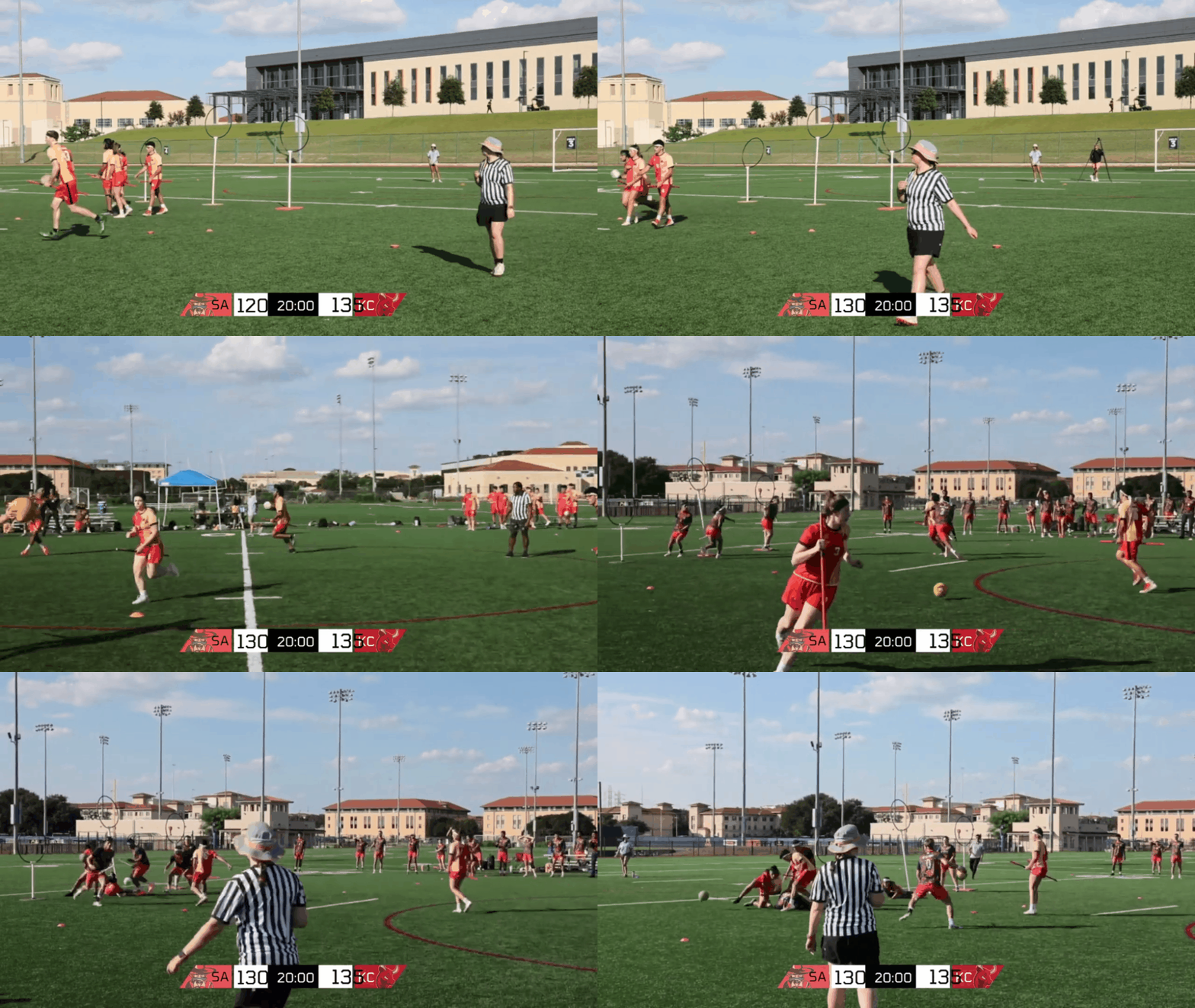
I have two thoughts. First, Mehio has to finish that — no one on this San Antonio team is going to tackle him. There were too many plays like that in game one, hence the -14.
But second, where is his team! The Stampede have a chance to win a game in San Antonio for the first time in franchise history, they don’t have dodgeball control but the seas have been parted, and Mehio‘s teammates are barely out of the keeper zone by the time he starts making a move on Martinez. Yes, Mehio should probably convert here, but 1v4s are hard! If even one other Kansas City chaser had positioned themselves by the wide-open small hoop here, that’s the game.
In game two, Mehio began to find himself in transition, finishing the series in the black.
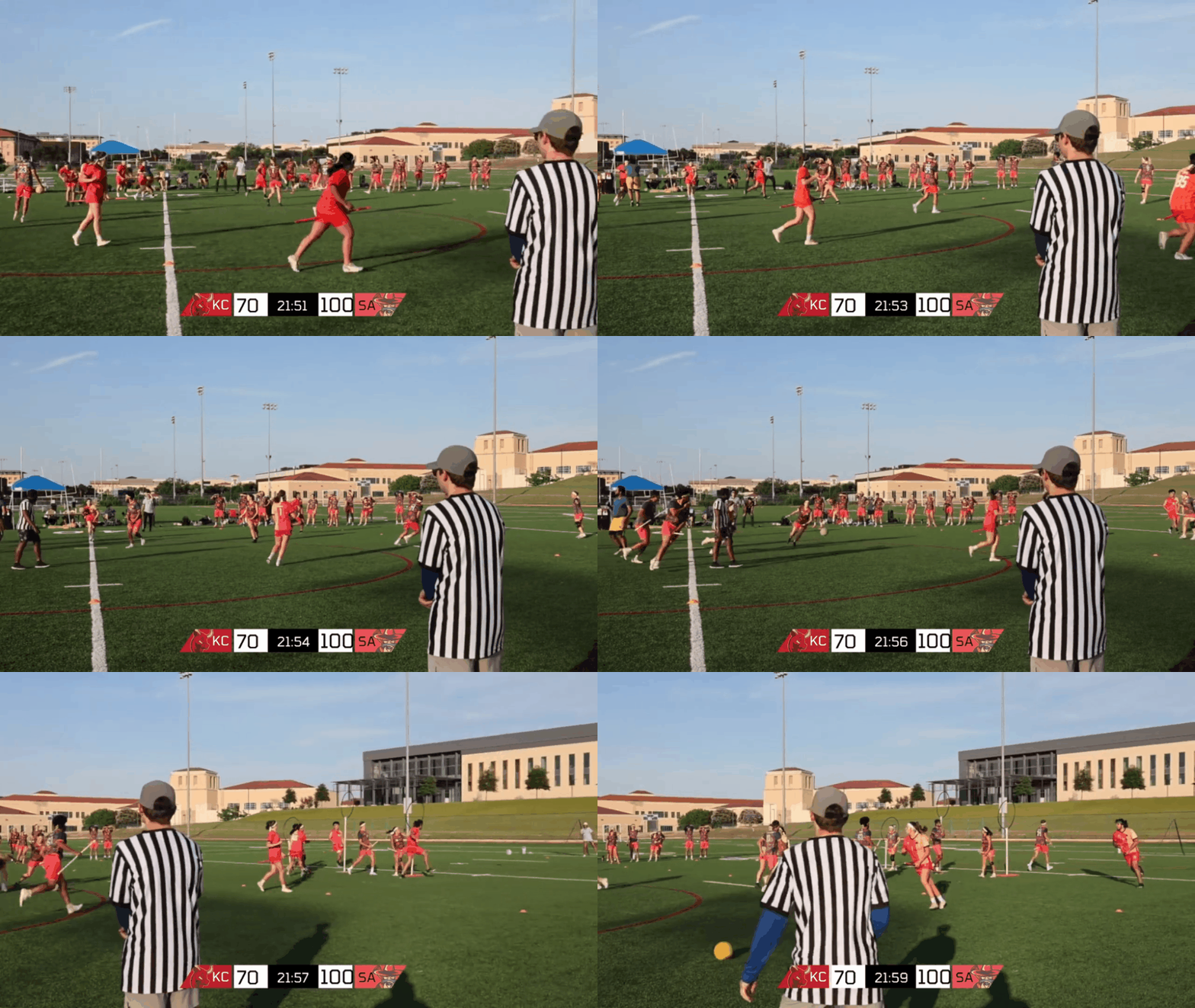
Still a lot was left to be desired from the team as a whole. Kansas City scored on 25% of transition looks in game one and 50% in game two. An improvement to be sure, but still far away from where you might want to be.
The other Stampede chaser of note was JD Hopton. He had an… erratic series at seeker (more on this later), but was a solid defense presence for the Stampede, finishing at +10 over the two games with only a single chasing play (the yellow card) where he graded out negatively.
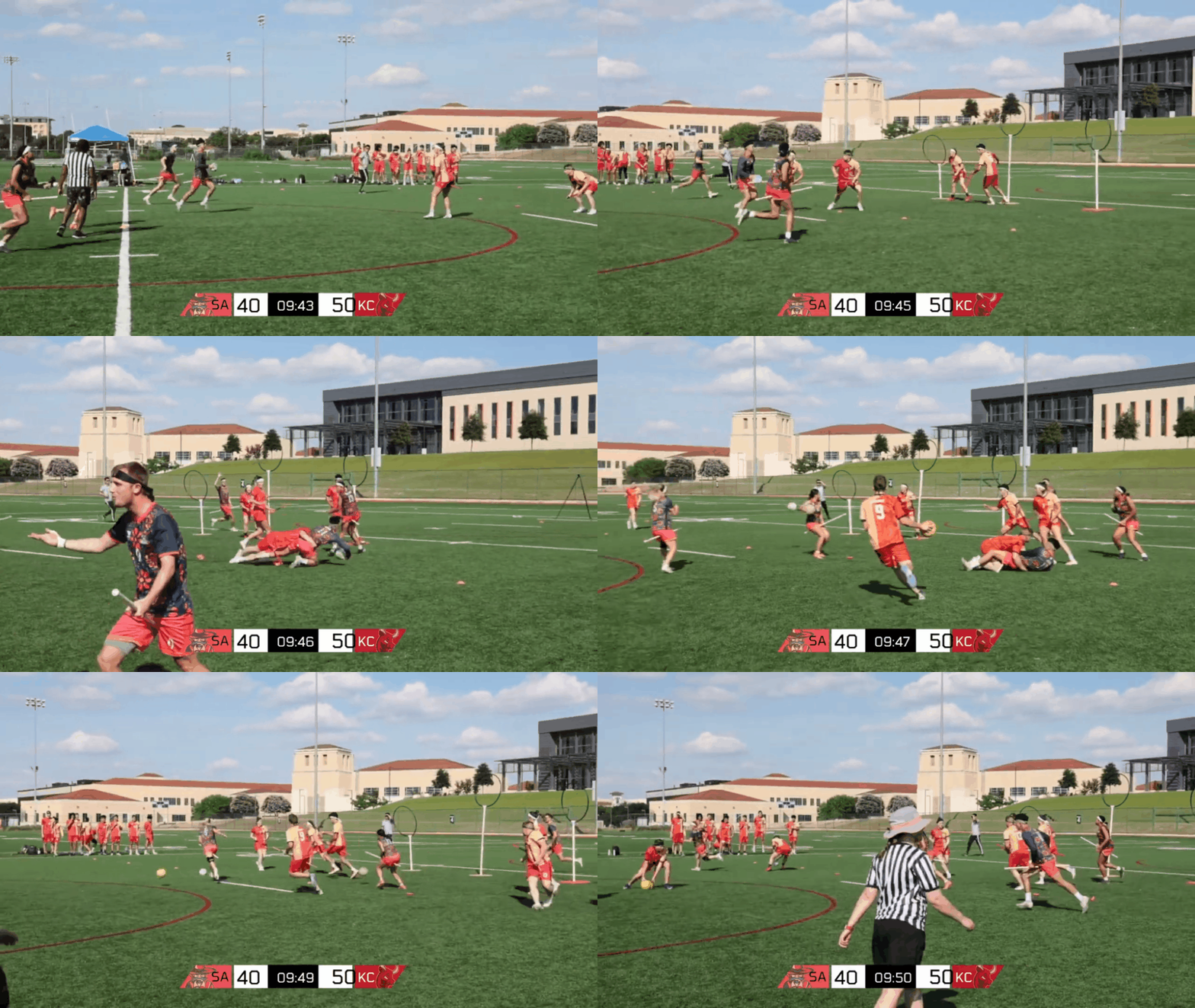
And the Soldado chasers?
| Player | Game 1 | Game 2 | Total |
|---|---|---|---|
| Blackwood | -4 | -4 | -8 |
| David Avila | -6 | +7 | +1 |
| D’adrian Avila | 0 | 0 | 0 |
| Esparza | +4 | +4 | +8 |
| Gouveia | -3 | +1 | -2 |
| Hay | +3 | -1 | +2 |
| Martinez | +4 | -4 | 0 |
| Moehlmann | -7 | -2 | -9 |
| Prado | +1 | 0 | +1 |
| Robinson | -3 | 0 | -3 |
| Rocha | +2 | 0 | +2 |
| Serrano | 0 | 0 | 0 |
| Villalba | +6 | -1 | +5 |
| Watson | 0 | -1 | -1 |
Hmm…
Yeah not a ton to say to be honest. The Soldados chasers graded out to a total of -4, which for an entire unit of players is close enough to a rounding error; each individual player had less than a single goal’s impact. Esparza had some nice finishes especially in no-dodgeball situations, but he did not take over by any means.
Megachart?
You said it not me.
| San Antonio | Kansas City | Total | |
| Beaters | +45 | -4 | +41 |
| Chasers | -4 | +22 | +18 |
| Seekers | -25 | -50 | -75 |
| Total | +16 | -32 | -16 |
The story of the game in one sentence: the Kansas City chasers had a small edge over the San Antonio group, but couldn’t finish on enough of their opportunities to overcome Williams taking over the beater game.
That -75 is… a thing.
First, chart.
| Player | Game 1 | Game 2 | Total |
|---|---|---|---|
| T. Smith | -31 | +12 | -19 |
| Sueltenfuss | 0 | -6 | -6 |
| Player | Game 1 | Game 2 | Total |
|---|---|---|---|
| Duncan | -16 | 0 | -16 |
| Grant | -20 | -9 | -29 |
| Hopton | +29 | -34 | -5 |
The numbers definitely may need tweaks, but I’m pretty happy that I’m grading seekers at all. Trevor Smith caught once but got more than 90 seconds of engage time, and so finished negative. Hopton had the other catch in only 60 seconds of looks, so just based on that he should grade out positively. What happened? Hopton picked up a card for charging the flagrunner.
How bad is that?
Seeker fouls are really bad! Hopton scored a (-16) on the play: 10 for the 30 seconds of expected seeking time he gave up in the ensuing minute, and 6 for the quadball turnover that came with the card.
Fair enough. Can we get flagrunner chart?
We sure can.
| Player | Game 1 | Game 2 | Total |
|---|---|---|---|
| Abdalla | +46 | +27 | +73 |
Adil Abdalla’s grade is very nearly the negative of the total seeker grade. (It’s not exact because seekers do things like help their beaters get back control and get cards.) Overall a very impressive performance: two catches in about 6:40 of engagement time. Along with Williams and Smith, Abdalla is my third series MVP.
Finally, few fun gifs that didn’t make it into the analysis.
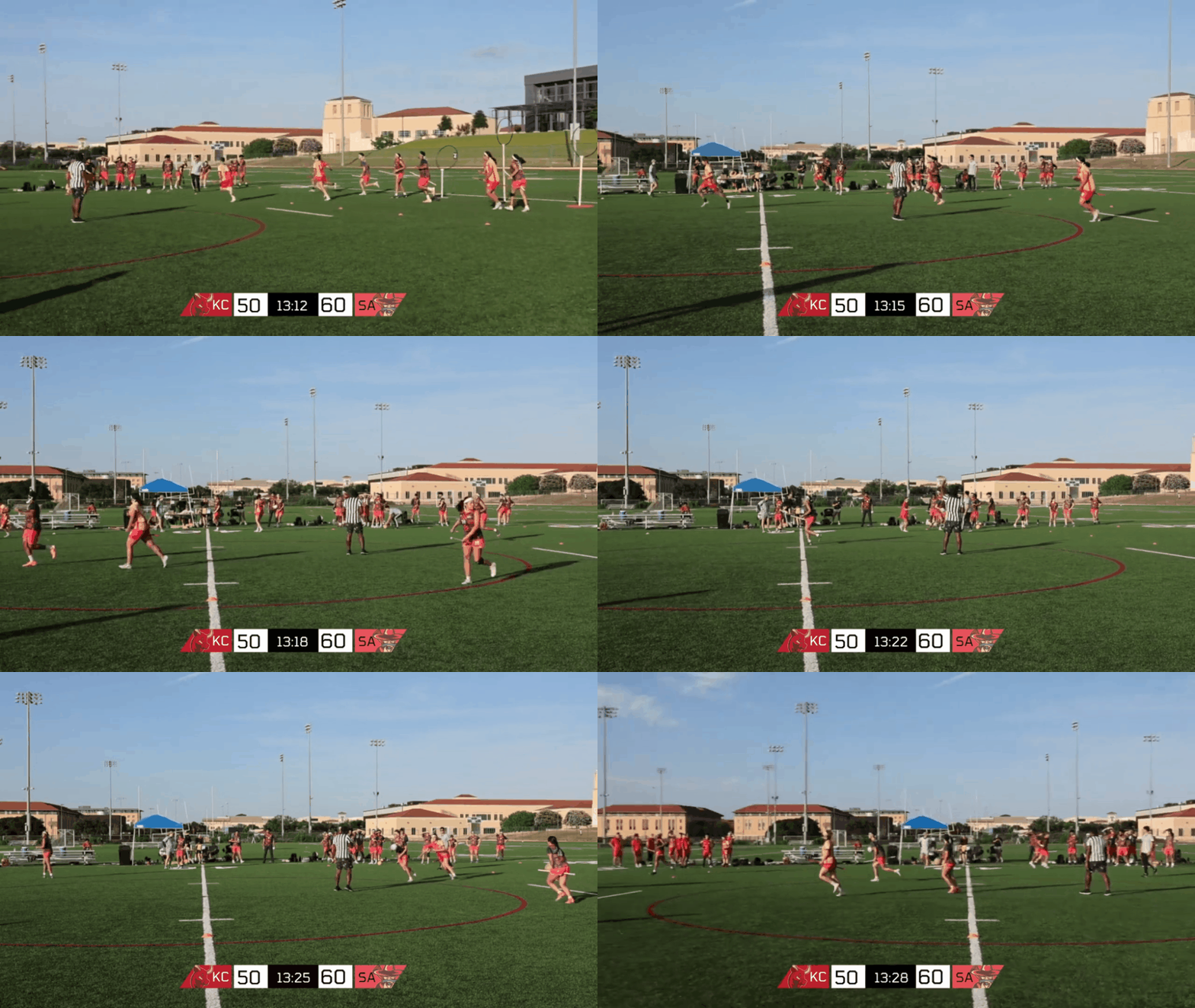
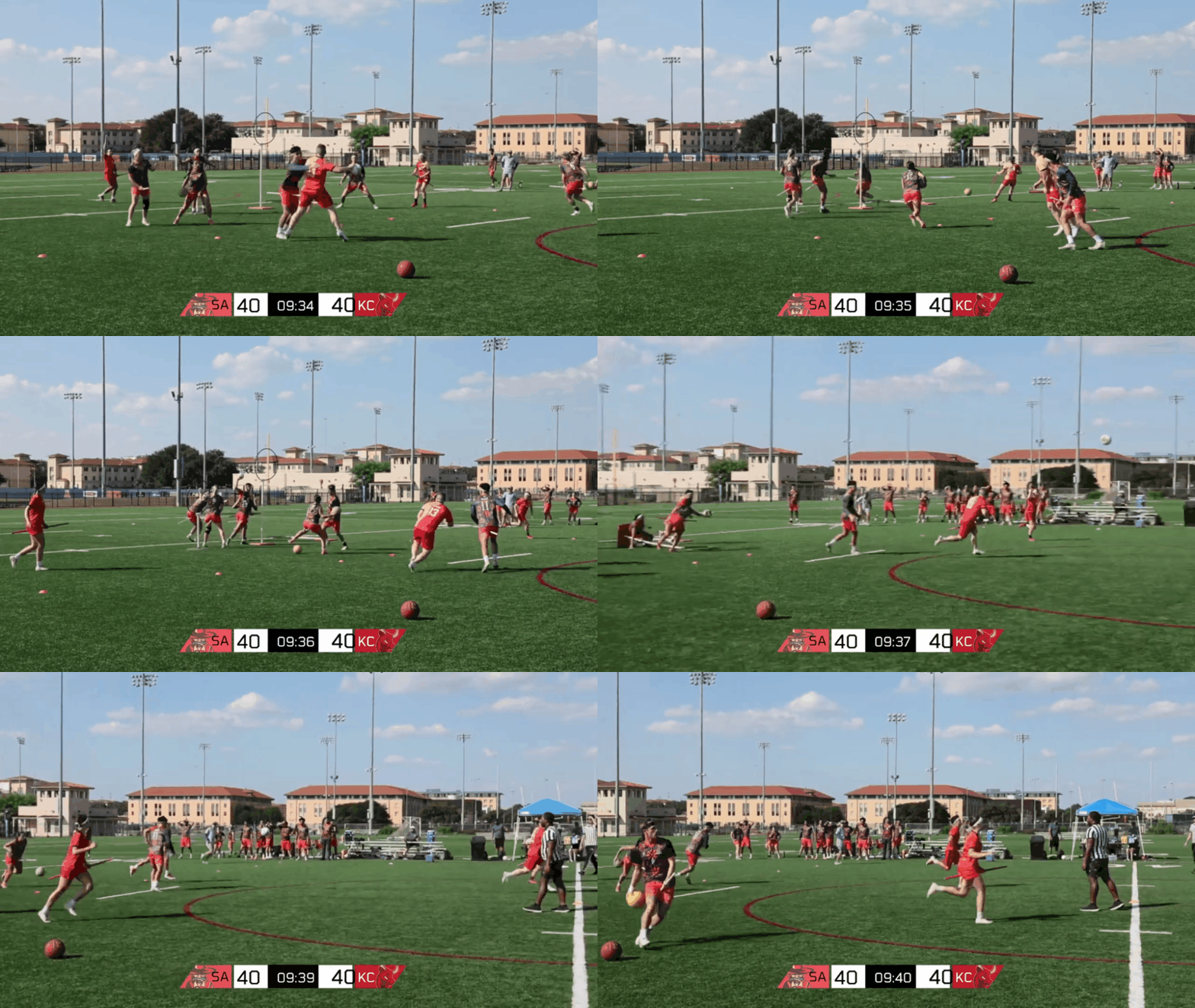
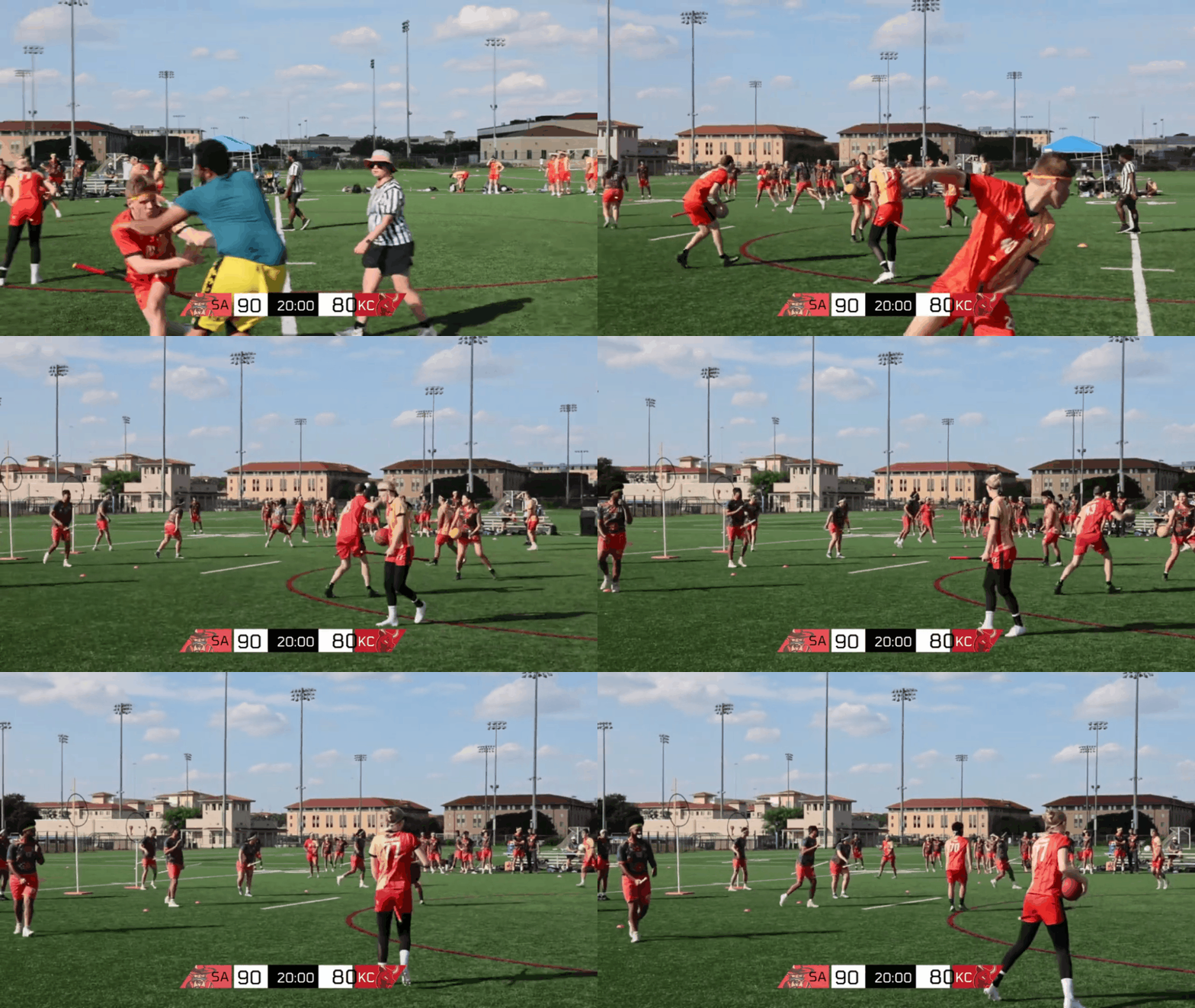
Okay fine, camerawork rant.
I’ll be brief. Basically, we all know camerawork in quadball is uniquely difficult because we have four balls in play. Obviously, some multi-camera setup would be sick, but I think two easy fixes would’ve made the film from this weekend much easier to follow.
- Back the camera up. As you can see in the clips above, the near sideline isn’t even in view right now. This meant that a lot of important beater play was missed, especially during SOP when the flagrunner was on the nearside on the field.
- Cut to beaters when there is a quadball pileup. This one is maybe more controversial: the prevailing wisdom is that the main camera should be on quadball during SOP. And I think this probably correct, but in particular when there is a pileup that will literally need a referee’s intervention to go anywhere, cut to dodgeball play! Show us the action!
These are… pretty reasonable actually.
Oh don’t worry I have many unreasonable ideas if you’re interested.
I am not.
Fair enough.

 Quadballest
Leave a reply to Anonymous Cancel reply